
PRICE
From $94 /person
RATING
4.8/5 (5400+ reviews)
RECOMMENDED
by 96% of travelers
DURATION
2 hours 30 minutes
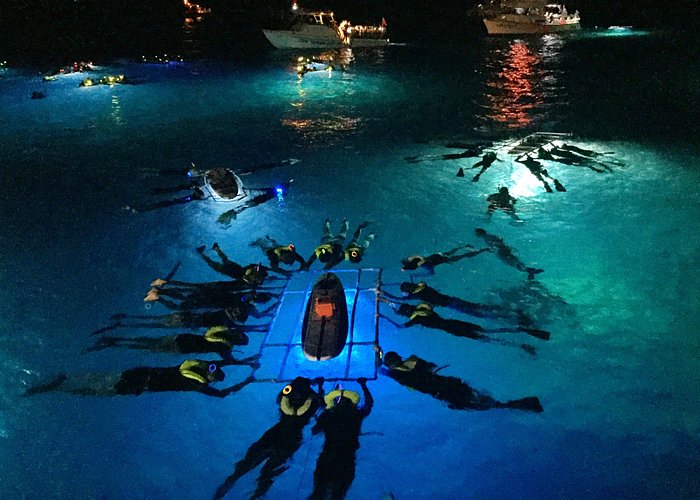
A manta ray night snorkel is an evening boat tour. You travel out along the Kona Coast and float above lights that attract plankton. The plankton draws manta rays, and the animals feed just below the surface. Their loops and slow glides bring them close enough for you to see every detail. Because you remain at the surface while holding a flotation device, the experience stays easy and comfortable.
Mantas have no stingers, spikes, or barbs. Their movements are calm and smooth, so the encounter feels peaceful rather than intense. Many guests describe the moment as surreal because the rays move with quiet precision under a dark, starlit sky.
Good to know: Staying still helps mantas come closer. Gentle kicks and relaxed breathing make the session easier for everyone.
Why This Tour Stands Out
Not all manta tours offer the same consistency. This tour is known for reliable sightings, safe practices, and a strong, experienced crew. Thousands of positive reviews show how well the operation is run. In addition, Kona is one of the best places on Earth to see manta rays, so chances of a successful night are very high.
Some operators even offer a free return trip if mantas do not appear. This gives travelers extra peace of mind, especially when planning a special evening.
Guides Who Know the Ocean
Your crew specializes in manta behavior and nighttime safety. They explain how to move, how to stay calm, and where to position yourself for the best viewing. Their experience helps beginners relax, and their knowledge adds depth to the entire experience.
Gear and Support Included
Еverything you need is provided:
- Quality masks and snorkels
- Warm wetsuit tops
- Stable flotation boards
- Bright light panels that attract plankton and mantas
This setup keeps everyone in the right place and makes the experience accessible even for first-time night snorkelers.
Small Groups and a Relaxed Atmosphere
The tour keeps group sizes manageable, which helps the evening feel calm and organized. There is no rushing, and everyone has enough space to watch the rays without feeling crowded.
Sunset + Night Snorkel in One Trip
Many departures begin before sunset, so you enjoy a bright Kona sunset from the boat before entering the water. The transition from warm daylight to soft starlight adds a layer of magic to the evening.
Beginner-Friendly Setup
Even though all guests must know how to swim, the tour is designed for comfort:
- You float on the surface the entire time
- Crew members stay close
- Boards keep everyone in position
- Visibility is excellent under the lights
As a result, many first-timers say this was easier than they expected.
A Rare Wildlife Encounter
Kona is one of the only places in the world where manta rays gather nightly. Watching them roll, feed, and move beneath you is an unforgettable moment and a highlight of most Big Island trips.
Location
Kona Coast, Big Island, Hawaii
Who Is This Tour Best For?
Pros
Extraordinary wildlife encounter
No dive certification needed
Guided and structured
Cons
Night ocean setting
Possible surface chop
Limited space around boards
Why the Big Island Is the Best Place for Manta Rays
The local geography creates natural feeding zones where mantas return night after night. Because visibility stays strong and plankton levels remain high, Kona’s success rate is better than any other island in Hawaii. Maui and Oahu occasionally see rays, but their tours are not as reliable.
Over time, Kona guides have refined safe, respectful practices that protect the animals and give guests a clear view.
Best Time To Go
Tours run year-round. Mantas do not migrate, so sightings remain common. Summer evenings are warm and calm, which helps beginners feel relaxed. Winter can bring stronger waves, but tour operators adjust schedules based on conditions.
Most trips depart 30–90 minutes after sunset, when visibility improves. Late evening departures feel quieter and more intimate, while earlier trips work well for families.
What Happens on the Tour
The evening begins with check-in at the harbor. You receive gear and a safety briefing. After boarding the boat, the ride to the manta site takes 10–30 minutes. Once the boat anchors, lights shine down into the water to attract plankton.
Guests enter the water from a ladder and hold onto a floating light board. You stay horizontal on the surface and breathe through a snorkel while watching the glow below. Within minutes, dark shapes appear, and manta rays begin to roll up toward the lights.
Some mantas come within inches of your mask. Their gills open wide as they feed, and their slow, steady motion makes the scene feel magical. Most snorkel sessions last 30–45 minutes before returning to the boat.